

OUR MISSION

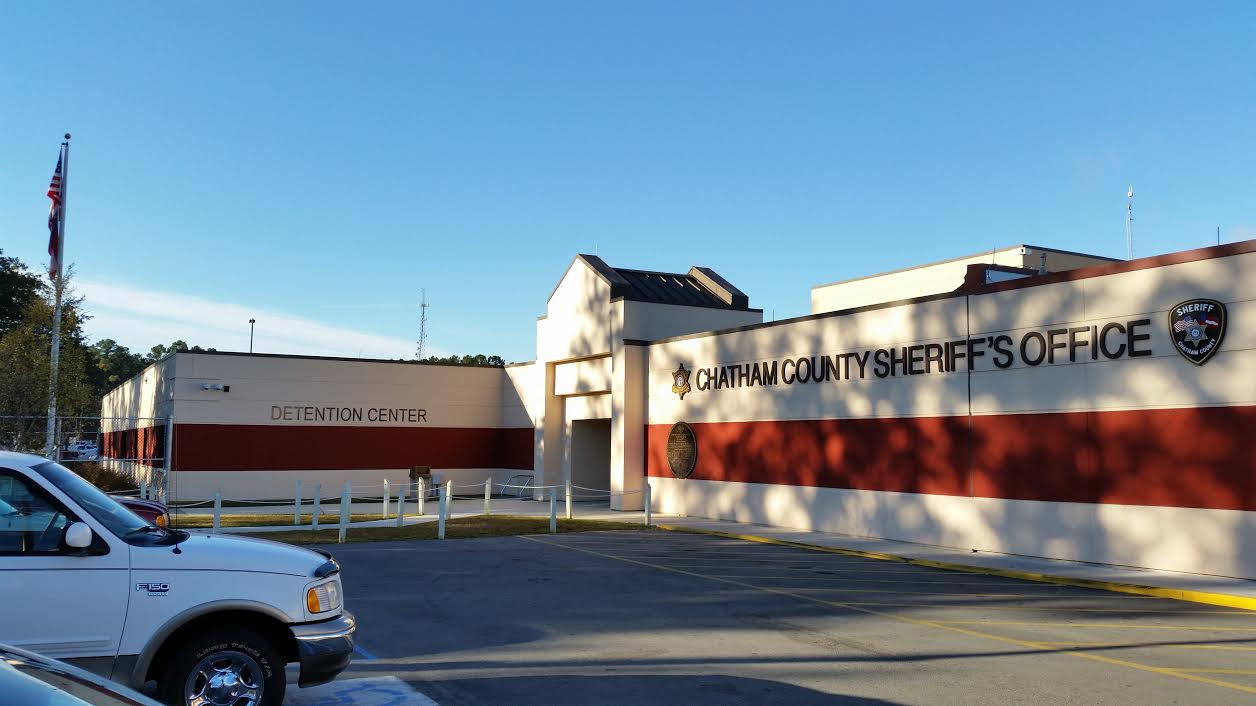
We are an interdenominational Christian ministry that exists to meet the spiritual needs of past and present inmates and staff in the Chatham County Detention Center through genuine gospel hope and deliberate discipleship in biblical living.

~~~~~~~~~~~~~~~

We promise to be trustworthy, to manage our finances in a lean and efficient manner and to be a solid, biblical ministry making real and measurable differences for the Lord right here in Savannah.


Our History

Christians from churches across Savannah founded Coastal Jail Ministries of Georgia on February 25, 2008 as a 501(c)(3) Georgia non-profit corporation. It succeeded the work started in 1991 by Good News Jail and Prison Ministry at the Chatham County Detention Center. Today, this ministry serves inmates and staff inside the detention center (roughly 2,000 in total) and former inmates trying to start over on the outside.
CJMGA currently employs three chaplains (two for the male population at the jail and one for the female) as well as a transitional ministry coordinator. It currently operates both a men’s chaplain dorm and a women’s where Scripture and principles for Christian living are taught daily. It also oversees volunteer Bible studies throughout the detention center housing approximately 2,000 inmates.
In 2013, CJMGA formed its transitional ministry to former inmates and their families, offering multiple, weekly Bible studies and church homes. Participants receive training and preparation for job interviews, new workplace environments, and successful life skills. They also receive job opportunities through a network of local business owners.


Our Statistics

  • Number of men in our program on average day. 75
  • Number of women in our program on average day. 40
  • Number of inmates jail wide participating in a Bible study weekly. Est. 305
  • Number of Test papers generated for grading annually: 15,800
  • Number of graduates of our program last year. 292
  • Number of inmates receiving some instruction through our Life Learning Program last year. 1,425
  • Number of Bibles we distributed last year. 2,600
  • Number of volunteer Bible teachers used last year. 29
  • Number of volunteer Paper Graders used last year. 100
  • Number of inmates on a normal day. 1,800.
  • Number of officers and staff serving the jail. 500.
  • The Chatham County Detention Center contains 24 separate dormitories.
  • Average number of inmates acknowledging the Lord Jesus Christ as their personal savior annually. 360
  • Amount of taxpayer funds received by our ministry annually. Zero! We accept no taxpayer funding. Our principle source of funds are donations from Christian churches, local citizens and businesses in the surrounding area served by the Detention Center.
Aerial view of the detention cetner.


Recidivism

Recidivism is defined as a the percentage of those who return to jail or prison within a three-year period of their most recent release from incarceration. Nationwide an average of around 80% of those released return within three years. We are in the process of gathering statistics on our Life Learning Program graduates. Early indications show a rather dramatic positive influence from our program; conservatively, 80% don't return to jail. More on these figures as we have verifiable statistics available. This process is time intensive and takes years to accumulate valid statistical information.

When one accepts the Lord, He begins the change of the heart of that individual and the behavior of that believer begins to follow. In this way many are blessed; those who serve within our ministry, those who receive the blessings of our ministry, and the community at large to which our program graduates eventually return to live and work after incarceration.
Our ministry saves local tax payers a over $5,000,000 annually through recidivism reduction costs. Money spent for police officers, detectives, equipment, jail facilities, inmate room and board, sheriff officers and administrative staff, judges, criminal prosecution and indigent defense lawyers.
These numbers in no way can account for the reduction of pain, suffering, broken families and property losses within our community due to a reduction of crime.